Sam Berger · 10 September 2026
Botanical Surveys Prompt Adjustments to Route Planning Along the Ridge as Protected Species Gain Attention
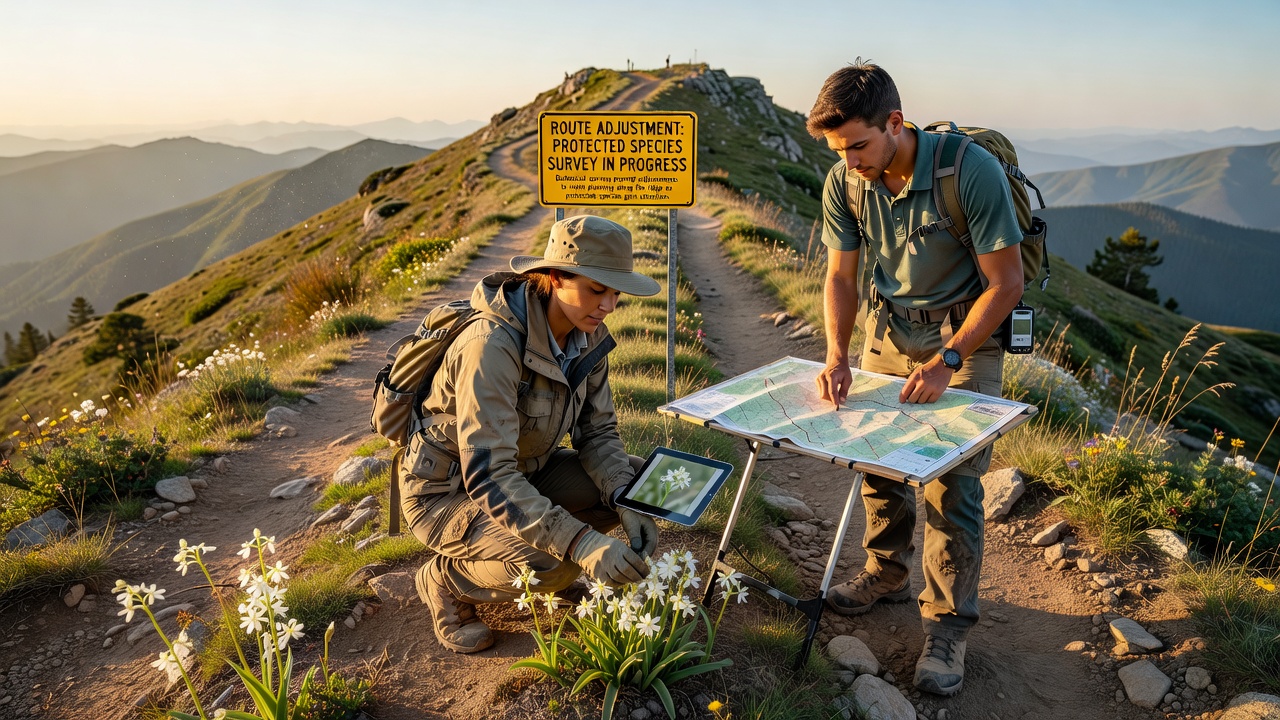
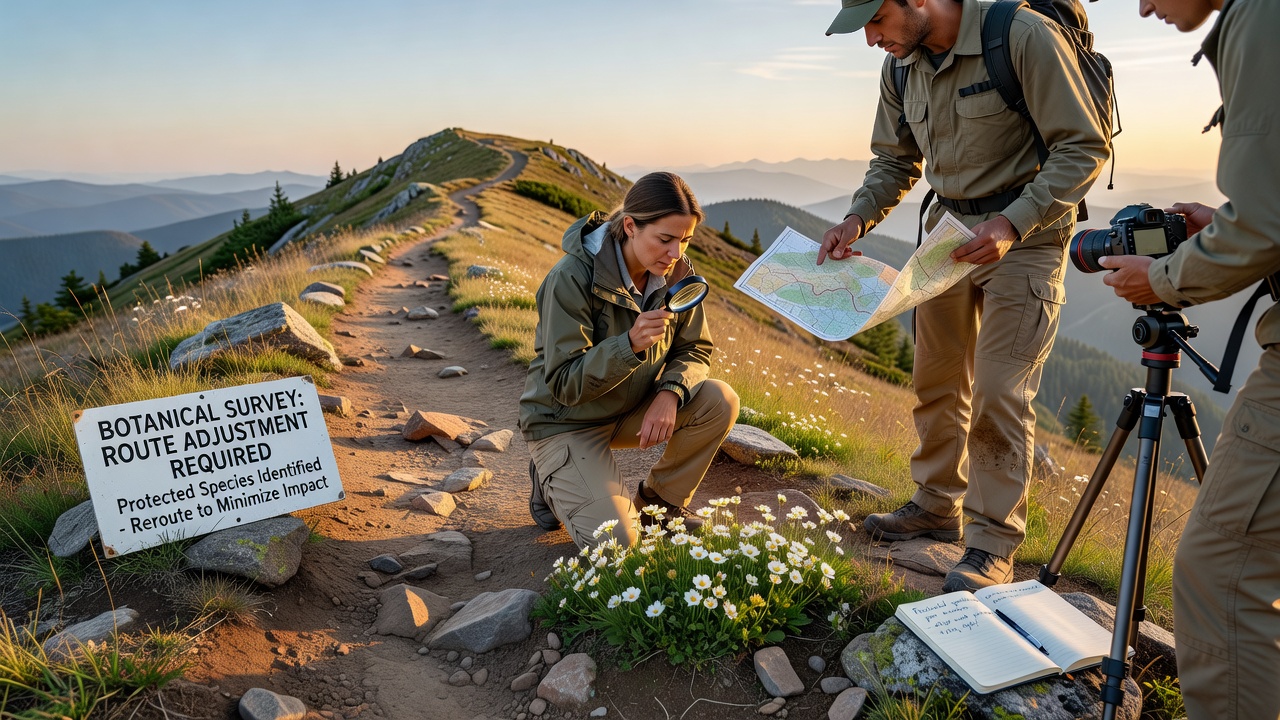
Botanical surveys conducted along the ridge have identified several protected plant species in areas previously used for standard hiking and climbing routes, and these findings have led planners to revise path alignments in multiple sections. Teams from regional environmental agencies completed the most recent round of fieldwork in September 2026, documenting populations of rare alpine flora that require specific habitat conditions and face pressure from repeated foot traffic. Route adjustments now direct users away from sensitive zones while maintaining access to key viewpoints and summits.
Survey Methods and Key Discoveries
Researchers employed systematic transects and quadrat sampling to map vegetation across elevation bands, and they cross-referenced results with historical records dating back to the early 2000s. Data collected shows clusters of protected species such as certain saxifrages and gentians that thrive in thin soils on rocky ledges, and these patches often coincide with traditional approach paths. One study revealed that trampling reduces seedling establishment by up to 40 percent in high-use corridors, prompting the shift to parallel routes on more stable ground where possible.
Impact on Existing Trails and Access Points
Planners have closed or rerouted three short segments near the eastern approach after surveys flagged concentrations of protected orchids, and they installed temporary signage to guide visitors toward the new alignments. The changes affect both day hikers and overnight parties because the ridge serves as a connector between popular huts and higher peaks, yet the adjustments preserve overall connectivity without increasing total distance by more than a few hundred meters in most cases. Local authorities coordinated with trail maintenance crews to reinforce the new paths using gravel and low-impact edging that blends with the surrounding terrain.
Regulatory Framework and Stakeholder Involvement
European Union directives on habitat protection set the baseline requirements that triggered the route reviews, and national agencies have applied those standards through site-specific management plans. A report from the European Environment Agency outlines how member states must monitor and safeguard listed species, and ridge managers have incorporated those guidelines into their operational protocols. Meanwhile, climbing organizations and local tourism boards participated in consultation meetings where they reviewed proposed detours and suggested minor refinements that still meet conservation criteria.
Additional input came from academic partners at institutions in Switzerland and Canada, where similar alpine environments have experienced comparable pressures, and joint workshops helped adapt proven techniques such as seasonal closures during peak flowering periods. These measures aim to reduce cumulative disturbance while allowing continued recreational use outside sensitive windows.
Monitoring and Future Adjustments
Long-term monitoring stations now track vegetation recovery along both old and new alignments, and preliminary readings from 2026 indicate early signs of regrowth in previously impacted areas once foot traffic dropped. Planners expect to refine routes further based on annual survey cycles, and they have committed to publishing updated maps each spring before the main season begins. The process demonstrates how repeated data collection can inform practical changes without eliminating access to the ridge entirely.
Conclusion
Botanical surveys continue to shape route planning decisions along the ridge as protected species receive greater recognition through systematic fieldwork and regulatory oversight. Adjustments implemented after the September 2026 surveys illustrate a coordinated response that balances conservation needs with recreational access, and ongoing monitoring will determine whether additional modifications become necessary in subsequent seasons.