Sam Berger · 5 November 2026
Felsgrat's Volunteer Networks Organize Seasonal Gear Caches to Support Remote Emergency Preparedness
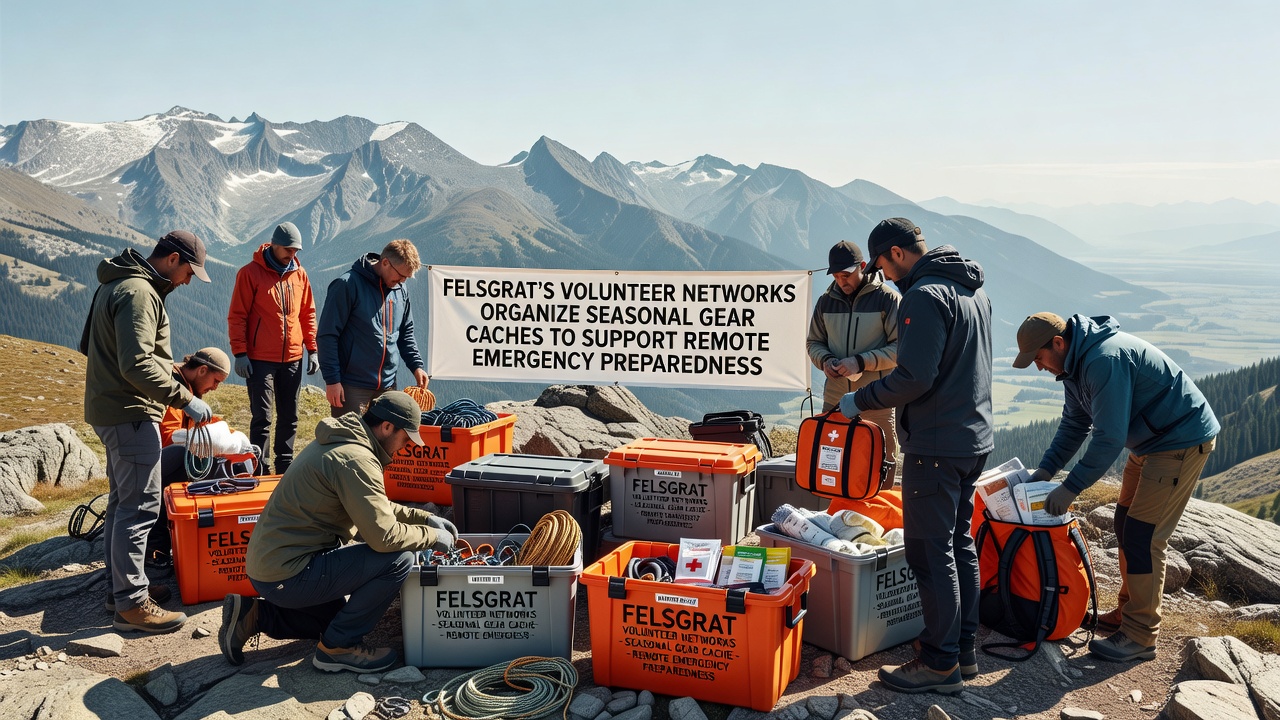
Volunteer networks across the Felsgrat region coordinate seasonal gear caches that stock remote sites with emergency supplies, and these efforts focus on supporting preparedness in areas where rapid access remains limited during peak seasons. Teams gather in late spring to assemble kits containing shelter materials, medical supplies, navigation tools, and weather-resistant food stores before distributing them along established routes and high-exposure zones. Data from previous deployments shows these caches have reduced response times in documented incidents by providing immediate resources until professional teams arrive.
Network Structure and Coordination
Local groups partner with regional rescue organizations to map cache locations based on historical incident data, trail usage patterns, and weather exposure records, while communication protocols ensure updates reach all participants before each season begins. Observers note that volunteers rotate responsibilities across multiple sites to maintain freshness of supplies and prevent spoilage in variable alpine conditions. And this rotation system allows individuals with specialized skills in first aid or mountaineering to contribute directly to inventory checks and placement decisions.
Coordination meetings occur monthly during off-peak periods, and participants review reports from past events to adjust cache contents for the upcoming cycle. Figures from the 2025 season indicate over 120 volunteers participated in these sessions, resulting in 18 new cache sites established along less-traveled sections of the ridge.
Seasonal Deployment and Contents
Preparation ramps up in early summer when teams transport equipment via established trails before snowmelt fully clears higher elevations, and winter caches receive additional insulation layers plus avalanche-specific tools such as probes and shovels. Each cache includes standardized items like thermal blankets, signaling devices, and basic repair kits alongside region-specific additions tailored to local terrain challenges. Researchers from affiliated alpine studies programs have tracked usage rates and found that caches positioned near fracture zones see higher turnover during shoulder seasons.
By November 2026, planning cycles shift toward inventory audits and equipment refurbishment ahead of the next summer deployment, with volunteers compiling data on depletion rates from the prior months. This timing aligns with lower foot traffic, allowing safer access for maintenance crews without interfering with active travel periods.
Integration with Broader Emergency Systems
Cache networks connect directly to official emergency dispatch centers through shared mapping platforms, and updates on stock levels feed into regional risk assessment models used by authorities. Take one case where experts found a cache near a known rockfall area supplied critical hydration and shelter items during an unexpected overnight stranding event in 2024. Those records contributed to refined placement guidelines that now prioritize proximity to documented hazard corridors.
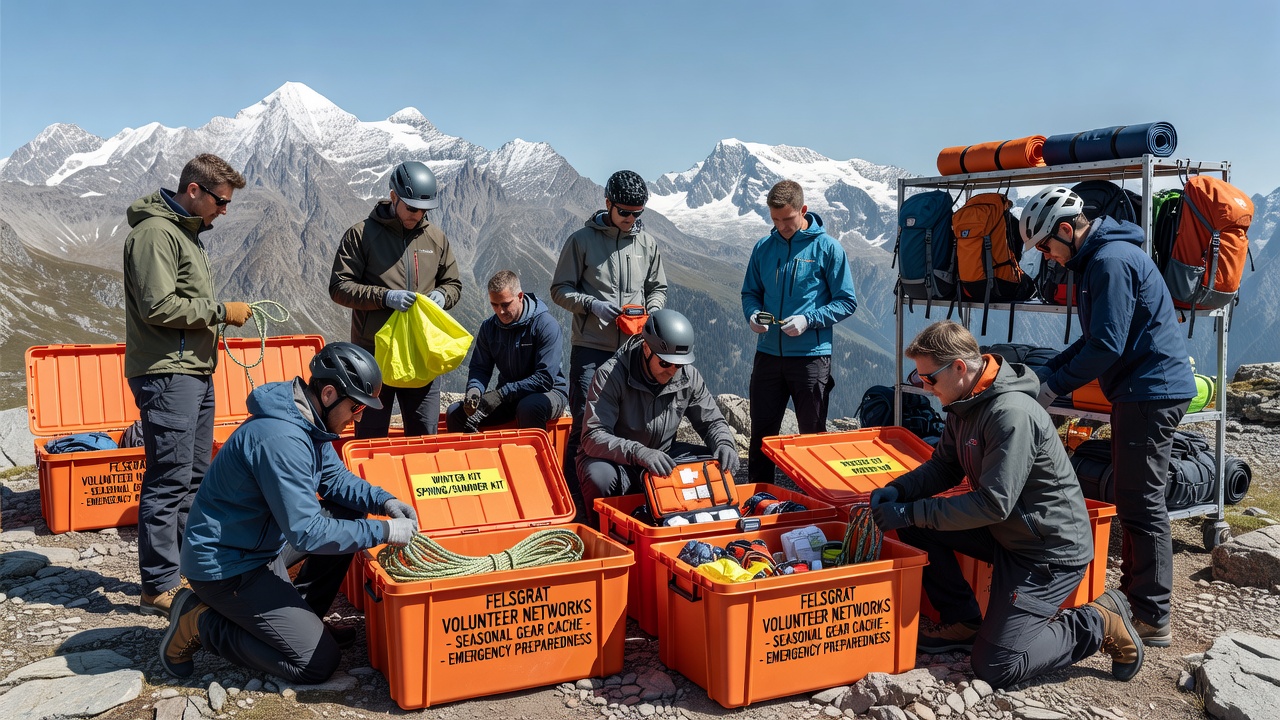
Partnerships extend to meteorological services that provide advance warnings, enabling preemptive reinforcement of vulnerable sites before major weather systems arrive. Data indicates coordinated efforts have supported faster evacuations in multiple instances across the broader alpine network, with similar programs reported in comparable regions through organizations such as the International Commission for Alpine Rescue.
Training and Volunteer Participation
Participants undergo certification in wilderness first response and cache management protocols before handling deployments, and annual refresher courses incorporate lessons from recent incidents across the ridge. Community outreach sessions recruit new members by demonstrating how caches integrate with existing trail signage and emergency beacons already in place. Those who've studied participation trends observe steady growth in volunteer numbers following publicized successful interventions.
Equipment suppliers contribute discounted materials for cache restocking, which helps sustain operations without straining local budgets. Records show this model has maintained consistent supply levels even as visitor numbers fluctuate year to year.
Monitoring and Future Adjustments
Performance reviews conducted after each season evaluate cache effectiveness through incident logs and volunteer feedback forms, and adjustments follow directly from those findings. For instance, one study revealed that adding compact water filtration units improved outcomes in prolonged exposure scenarios. Observers note ongoing collaboration with academic institutions continues to refine site selection criteria based on updated environmental monitoring.
By focusing on seasonal cycles, the networks ensure caches remain relevant to changing conditions while avoiding unnecessary accumulation of unused materials. This approach supports preparedness across remote sections without duplicating efforts already handled by permanent infrastructure.
Conclusion
Volunteer-driven seasonal caches form a practical layer within Felsgrat's emergency framework by delivering targeted resources to remote areas at key times of year. Ongoing coordination, data-driven placement, and integration with official systems sustain these operations through successive seasons. As November 2026 approaches, the focus remains on preparation cycles that ready the network for renewed activity.