Sam Berger · 8 October 2026
Village Businesses Adapt Strategies as Mountaineering Patterns Shift in Remote Areas
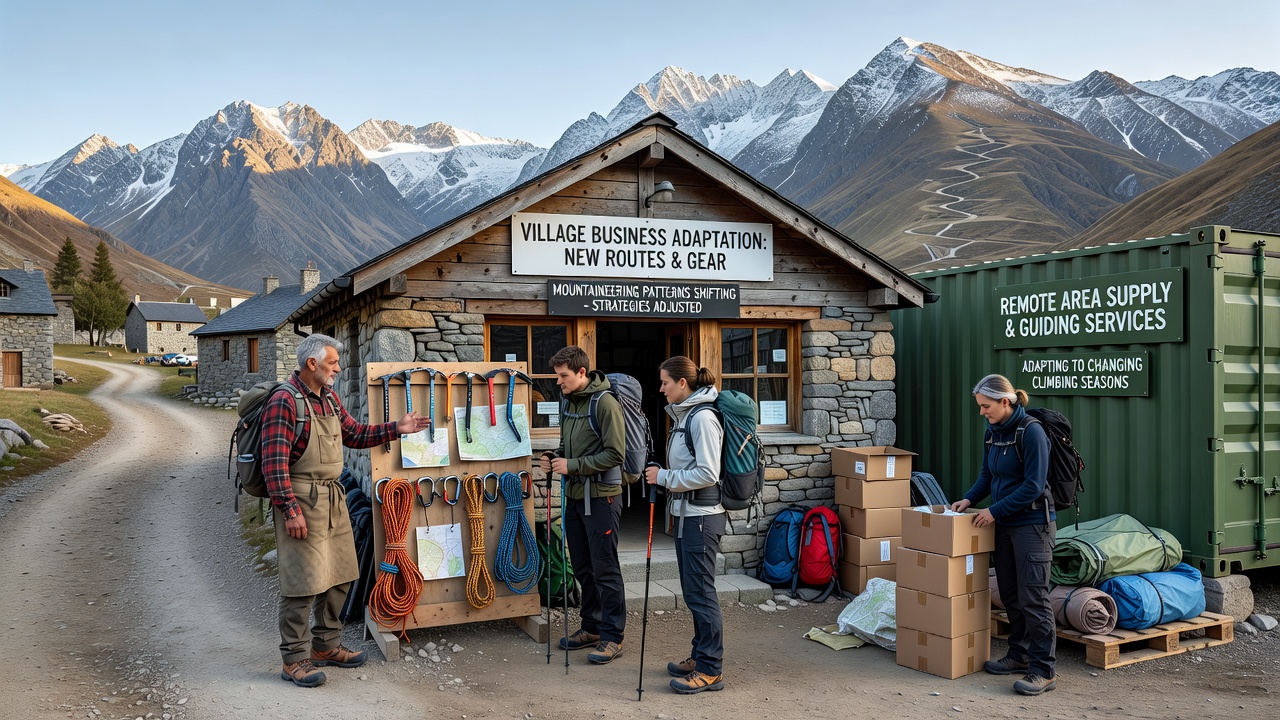
Remote alpine villages have recorded measurable changes in visitor arrival times and preferred routes over the past several seasons, and local enterprises now track these shifts through booking platforms and guide service logs. Data compiled through October 2026 shows increased activity on lower-elevation approaches while certain high-summit itineraries experience reduced traffic, prompting owners of lodges, equipment rentals, and guiding outfits to revise service packages and supply chains accordingly.
Documented Shifts in Route Usage
Researchers from multiple monitoring programs note that climbers increasingly select approaches with shorter approach walks and more stable overnight options, a pattern confirmed in trail counter readings and permit records across several ranges. These adjustments coincide with earlier snowmelt periods and altered weather windows, facts established in datasets released by national meteorological services. Village-based operators respond by stocking lighter gear inventories and offering shuttle services to trailheads that now see higher daily use, while maintaining traditional stock for clients who still request classic itineraries.
Business records from communities situated near major ridges indicate that multi-day packages combining valley lodging with guided segments have grown in proportion to single-day excursions. Operators cite reservation software outputs showing a rise in bookings that bundle meals and transport, an adaptation that aligns with observed preferences for consolidated logistics rather than piecemeal arrangements.
Operational Adjustments by Local Enterprises
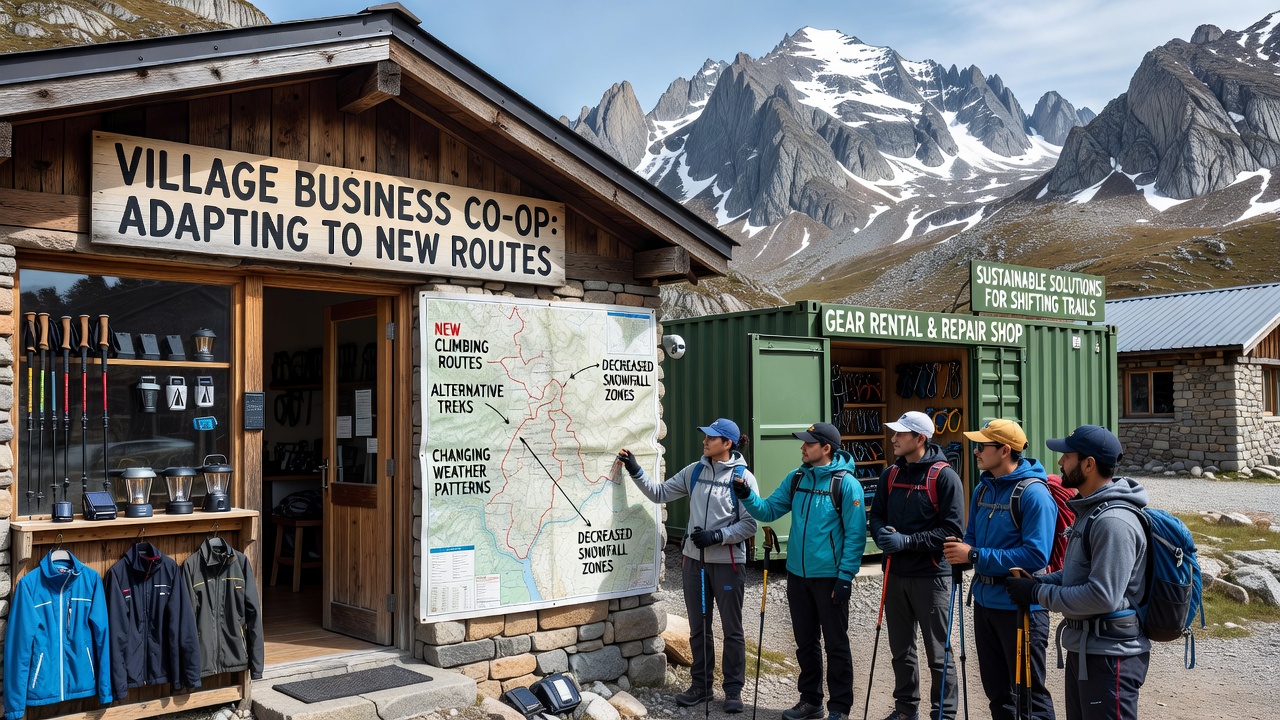
Equipment shops have expanded their range of rental items suited to mixed-terrain travel, including lighter packs and modular layering systems that accommodate variable daily conditions. Store ledgers from October 2026 reflect higher turnover in these categories compared with previous years, while heavier mountaineering hardware moves more slowly. Several proprietors have introduced repair workshops on site, allowing visitors to service gear without returning to larger towns, a change documented in service invoices and customer feedback forms.
Guiding associations report updated training curricula that incorporate route-finding modules for newly favored lower sections and updated risk-assessment protocols tied to changing snow and rock conditions. Certification bodies maintain public registries of these courses, and participant numbers have risen steadily according to enrollment statistics released in late 2026. Villages coordinate with these associations to host refresher sessions, thereby keeping local knowledge current without requiring guides to travel long distances for updates.
Supply Chain and Marketing Responses
Restaurants and small markets adjust food orders toward lighter, longer-shelf-life provisions that match the preferences of climbers carrying smaller loads on revised routes. Wholesaler delivery schedules now include more frequent stops at village hubs that previously received weekly shipments, a modification verified through logistics company manifests. Marketing materials produced by regional tourism boards highlight these updated service offerings, directing attention to combined lodging-and-guiding options rather than standalone summit attempts.
Accommodation providers have introduced flexible cancellation terms tied to weather forecasts issued by official meteorological agencies, a policy change reflected in updated booking platforms. Occupancy data collected through October 2026 demonstrates that properties offering such flexibility retain higher utilization rates during shoulder periods when route conditions fluctuate rapidly. Several villages coordinate shared reservation systems that allow overflow bookings between establishments, reducing lost revenue when individual properties reach capacity.
Collaboration With External Data Sources
Local chambers of commerce now subscribe to environmental monitoring feeds produced by the European Environment Agency, which supplies quarterly summaries of vegetation and permafrost indicators relevant to trail stability. These summaries inform decisions about which routes receive promotional emphasis and which are presented with additional advisory notes. In parallel, operators reference reports from the Swiss Federal Office for the Environment on seasonal water availability, allowing them to anticipate demand for hydration products and guided hydration-planning briefings.
Cross-border data exchanges with Parks Canada and the U.S. National Park Service provide comparative figures on visitor redistribution in similar high-mountain settings, helping village planners benchmark their own adaptations. These exchanges occur through established alpine tourism networks and appear in aggregated industry bulletins distributed to member businesses.
Conclusion
Village enterprises continue to refine their offerings in response to route-usage statistics and reservation trends documented through October 2026. Adjustments to inventory, training, logistics, and marketing rest on concrete figures from government agencies and research programs rather than anecdotal reports. Ongoing access to shared environmental and visitor datasets supports further calibration of services as mountaineering patterns evolve in these remote areas.